There’s nothing quite like the delightful bite of a perfectly moist cake pop, a miniature celebration on a stick. But what happens when you have a batch of these sweet treats leftover, and you want to enjoy them again without them turning into crumbly, dry disappointments? Reheating cake pops can be a tricky business, as their delicate nature makes them highly susceptible to losing moisture and flavor. This guide is your key to unlocking the secret of bringing your cake pops back to life, ensuring they remain as delicious and tender as the day they were made. We’ll explore why cake pops dry out, how to store them effectively, and the best techniques for reheating them to perfection, all while preserving that coveted moist texture.
Understanding Why Cake Pops Dry Out
Cake pops, at their core, are a blend of cake crumbs and frosting, often encased in a hard candy or chocolate shell. This unique composition makes them both delicious and vulnerable to moisture loss, especially during storage and reheating.
The Science of Stale Cake
|
Our Picks for the Best Cake maker in 2026
As an Amazon Associate I earn from qualifying purchases.
|
||
| Num | Product | Action |
|---|---|---|
| 1 | Kitchen in the box Stand Mixer,3.2Qt Small Electric Food Mixer,6 Speeds Portable Lightweight Kitchen Mixer for Daily Use with Egg Whisk,Dough Hook,Flat Beater (Purplish-red) |

|
| 2 | Joydeem Electric Dough Maker with Ferment Function, Microcomputer Timing, Face-up Touch Panel, 7.4Qt, 304 Stainless Steel, JD-HMJ7L |
|
| 3 | Stand Mixer, Kitchen in the box 3.2Qt Small Electric Food Mixer,6 Speeds Portable Lightweight Kitchen Mixer for Daily Use with Egg Whisk,Dough Hook,Flat Beater (Purple) |
|
| 4 | Suuker Cake Cutter, Stainless Steel Cake Knife and Server with Double Handle, Adjustable Cake Slicer for Cake Server, Pie Server, Cake Cutting Set for Wedding |
|
| 5 | Kitchen in the box Stand Mixer,3.2Qt Mini Electric Food Mixer,6 Speeds Portable Lightweight Kitchen Mixer for Daily Use with Egg Whisk,Dough Hook,Flat Beater (Green) |
|
| 6 | Kitchen in the box Stand Mixer,3.2Qt Small Electric Food Mixer,6 Speeds Portable Lightweight Kitchen Mixer for Daily Use with Egg Whisk,Dough Hook,Flat Beater (Blue) |
|
| 7 | Holstein Housewares Non-Stick 6-Count Electric Cupcake Maker Machine – Bakes 6 Cupcakes, Muffins, Pizza Cups, Cinnamon Buns – Perfect for Gifts, Birthdays, Holidays, or Bake Sales, Lavender |
|
| 8 | Cake Maker Lava Cake Maker Mini Donut Maker Waffle Maker Pancakes Maker Machine for Breakfast, Snacks, Desserts Non-stick Surface, Cake Machine, Double-sided Heating, Azure |
|
| 9 | Mini Cake Maker, Portable Mini Bundt Cake Maker Double-Sided Heating, electric cupcake makers for Breakfast, Cake, Snacks (Red) |
|
| 10 | Kitchen in the box Stand Mixer,3.2Qt Small Electric Food Mixer,6 Speeds Portable Lightweight Kitchen Mixer for Daily Use with Egg Whisk,Dough Hook,Flat Beater (Black) |
|
Cake goes stale when its starch molecules crystallize and rearrange, pushing out moisture and making the cake crumb firm and dry. This process is accelerated by exposure to air and certain temperatures. When cake pops are exposed to open air or stored incorrectly, their inherent moisture begins to evaporate, leading to a noticeable decline in texture. The smaller size of a cake pop means a larger surface area relative to its volume, making it more prone to drying out faster than a whole cake.
The Role of Coating in Moisture Retention
The outer coating, typically made of melted chocolate or candy melts, plays a crucial role in protecting the cake pop’s delicate interior. This shell acts as a barrier, sealing in moisture and flavor. However, if the coating is compromised, cracked, or unevenly applied, it can fail to provide adequate protection, allowing the cake pop to dry out more quickly. During reheating, the integrity of this coating is also vital, as it can help trap steam and prevent further moisture loss if managed correctly.
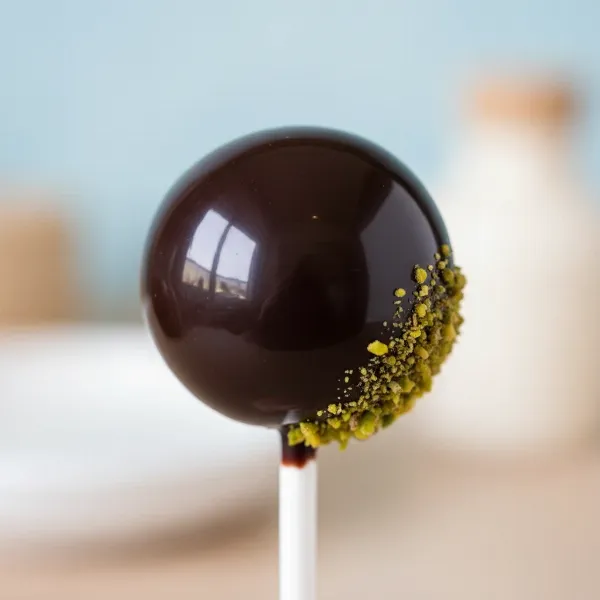 Close-up of a perfectly coated cake pop, showcasing its smooth, protective outer shell.
Essential Storage Tips for Moist Cake Pops
Proper storage is the first and most critical step in ensuring your cake pops remain moist and delicious, whether you plan to enjoy them immediately or reheat them later. The way you store them directly impacts their texture and flavor retention.
Room Temperature vs. Refrigeration
For cake pops without perishable fillings (like fresh cream or fruit), storing them at room temperature in an airtight container for up to two days is often ideal. This helps maintain a softer cake texture. However, if your cake pops contain dairy-based frosting, cream cheese, or fresh fruit, refrigeration is necessary to prevent spoilage. When refrigerating, ensure they are in a sealed container to protect them from circulating air, which can be drying. Bring them to room temperature for about 15-30 minutes before serving or reheating for the best texture.
Freezing Cake Pops for Long-Term Freshness
Freezing is an excellent option for extending the life of your cake pops significantly, often for up to a month. To freeze them, first ensure they are completely cool. Arrange them in a single layer on a parchment-lined baking sheet and flash freeze for about 30 minutes until firm. Then, transfer them to an airtight freezer-safe container or a heavy-duty freezer bag, separating layers with parchment paper to prevent sticking. Proper freezing locks in moisture and preserves their freshness until you’re ready to enjoy them again.
The Best Containers for Cake Pops
The key to preventing dry cake pops is minimizing their exposure to air. Airtight containers are your best friend. Choose containers with snug-fitting lids. For cake pops on sticks, you might consider specialty cake pop stands or boxes that keep them upright and protected. If using plastic wrap, ensure each cake pop is individually wrapped tightly before placing them in an airtight container to add an extra layer of protection against air exposure.
Preparing Your Cake Pops for Reheating
Before you even think about applying heat, a little preparation can go a long way in ensuring your cake pops reheat successfully without losing their precious moisture. This preliminary step sets the stage for a perfectly revived treat.
Bringing Them to Room Temperature
If your cake pops have been refrigerated or frozen, it’s crucial to allow them to come closer to room temperature before reheating. This gradual temperature equalization helps prevent thermal shock, which can cause the coating to crack and the cake to become unevenly heated or dry. For refrigerated cake pops, let them sit out for 15-30 minutes. For frozen cake pops, transfer them to the refrigerator the night before, then let them sit at room temperature for an hour before reheating. This slow thaw and warm-up process allows the internal moisture to redistribute evenly.
Assessing the Coating
Before reheating, take a moment to inspect the cake pop’s coating. If the coating is already cracked or damaged, reheating might exacerbate the issue or allow more moisture to escape. While you can’t always fix a cracked coating before reheating, being aware of it can help you choose the gentlest reheating method. For very minor cracks, a very brief, low-heat microwave session might re-melt the chocolate slightly to seal them, but this is a delicate maneuver.
Top Methods for Reheating Cake Pops (and Keeping Them Moist!)
Reheating cake pops requires a gentle touch and careful attention to ensure they warm through without drying out. Each method offers a different approach, and choosing the right one depends on how many cake pops you’re reheating and how much time you have.
The Microwave Method: Quick and Cautious
The microwave is the fastest way to reheat cake pops, but it’s also the riskiest for drying them out if not done correctly. The key is short bursts of low power. Place one or two cake pops on a microwave-safe plate. You can also place a small cup of water next to them to create a humid environment, which helps prevent drying. Microwave on 50% power for 5-10 seconds. Check for warmth; if not warm enough, continue microwaving in 3-5 second increments, always checking between bursts. The goal is to gently warm the interior without melting the coating completely or drying out the cake.
The Oven Method: Gentle and Even
For a more even and less risky reheating experience, especially if you have several cake pops, the oven is an excellent choice. Preheat your oven to a low temperature, around 200°F (95°C). Place the cake pops on a baking sheet lined with parchment paper, ensuring they are not touching. To add moisture, you can place a small, oven-safe dish of water in the oven with them. Heat for 5-10 minutes, checking periodically. The lower temperature and gradual heat allow the cake to warm through gently, preserving its moisture and preventing the coating from melting excessively.
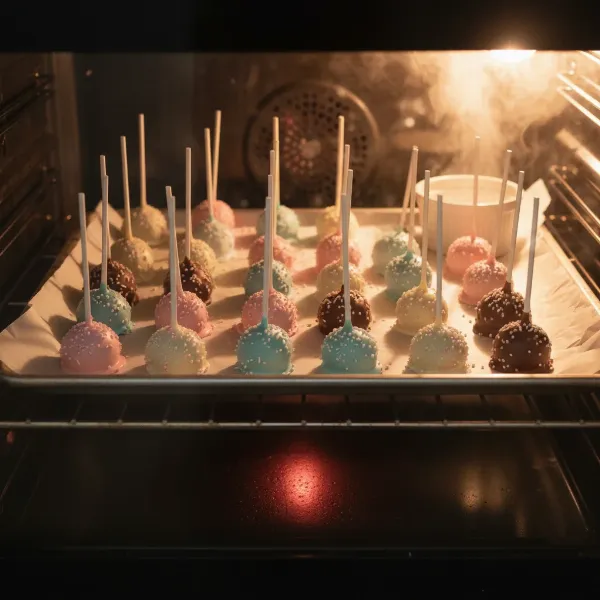 Cake pops on a parchment-lined baking sheet, gently warming in a low-temperature oven.
The Air Fryer Method: A Modern Approach
The air fryer, known for its ability to crisp and reheat quickly, can also be used for cake pops with careful technique. However, it can also be very drying. Preheat your air fryer to a very low setting, about 200-225°F (95-107°C). Place the cake pops in a single layer in the air fryer basket, ensuring good air circulation. Heat for 2-4 minutes, checking frequently. The dry heat of an air fryer means you must be extra vigilant to prevent them from becoming brittle. This method is best for small batches and requires constant monitoring.
Tips to Maximize Moisture During Reheating
Even with the right reheating method, a few extra tricks can significantly boost your cake pops’ moisture levels, ensuring they come out as tender and delicious as possible. These simple additions can make all the difference.
The Damp Paper Towel Trick
This classic trick works wonders, especially with microwave reheating. Lightly dampen a paper towel (it should be damp, not dripping wet) and place it over or alongside your cake pops while microwaving. The steam generated from the paper towel will create a humid micro-environment, helping to keep the cake moist and preventing it from drying out. This technique is particularly effective for small batches and quick warming.
Adding a Moisture Barrier
When using the oven or air fryer, consider creating a slight moisture barrier. For the oven, as mentioned, a small dish of water can help. Another option is to loosely tent the cake pops with aluminum foil during the initial heating phase in the oven, removing it for the last minute or two if you want to slightly firm up the coating. This traps steam around the cake pops, promoting internal moisture. Be cautious with foil in an air fryer, and always ensure it does not obstruct airflow or touch heating elements.
Troubleshooting Common Reheating Issues
Even with the best intentions, reheating cake pops can sometimes present challenges. Knowing how to address common problems can save your treats from disaster and ensure you still get to enjoy a delicious result.
Dealing with Cracking Coatings
Cracked coatings are a common issue, often caused by rapid temperature changes or uneven heating. If your cake pops’ coating cracks during reheating, it typically indicates they were heated too quickly or at too high a temperature. To avoid this, always bring cake pops to room temperature gradually before reheating. Use lower heat settings and shorter intervals, regardless of the method. If cracks appear, unfortunately, they are hard to fix without re-dipping, which may alter the flavor or add too much chocolate. Focus on gentle handling and proper warming next time.
What if They’re Still Dry?
If your cake pops come out of reheating still feeling a bit dry, don’t despair! This usually means they lost too much moisture during storage or the reheating process. One immediate fix is a quick glaze or a drizzle of melted chocolate or ganache. While it won’t magically re-moisturize the cake, it adds an extra layer of richness and can mask some of the dryness. For future batches, double-check your storage methods for airtightness and consider incorporating the damp paper towel trick or oven water bath.
Enjoying Your Revived Cake Pops
Once your cake pops are perfectly reheated—warm, moist, and delicious—it’s time for the best part: enjoying them! There’s a true satisfaction in reviving a leftover treat to its former glory. Serve them as they are, or consider a fresh dusting of sprinkles, a light drizzle of contrasting chocolate, or even a side of fruit for a little extra flair. The goal is to savor that soft, cakey interior and smooth coating, proving that even leftovers can be a gourmet experience with a little care.
Conclusion
Reheating leftover cake pops without drying them out is entirely achievable with the right knowledge and techniques. By understanding how moisture behaves in these delightful treats, implementing smart storage strategies, and employing gentle reheating methods like the cautious microwave approach or the even-heating oven, you can ensure every bite is as fresh and moist as the first. Remember the subtle tricks, like a damp paper towel or a water bath, to lock in that essential moisture. So, next time you have cake pops remaining, don’t let them go to waste. With these tips, you can confidently bring them back to life, transforming a potential culinary casualty into a perfectly enjoyable treat. What’s your favorite tip for keeping cake pops wonderfully moist?
Frequently Asked Questions
Can you reheat cake pops multiple times?
While technically possible, reheating cake pops multiple times is not recommended. Each reheating cycle further exposes the cake to heat and air, progressively drying it out and potentially degrading the texture and flavor. It’s best to reheat only the amount you plan to consume immediately.
How long do reheated cake pops last?
Reheated cake pops are best enjoyed immediately for optimal taste and texture. If stored properly (in an airtight container), they might last for another day at room temperature, but their quality will diminish rapidly after the initial reheating. Avoid refrigerating reheated cake pops unless they contain perishable ingredients.
What’s the best way to reheat frozen cake pops?
The best approach for frozen cake pops is a gradual thaw and reheat. First, transfer them to the refrigerator overnight. Then, let them sit at room temperature for an hour. Finally, reheat them using the gentle oven method at 200°F (95°C) for 5-10 minutes, or short bursts in the microwave with a damp paper towel.