Embarking on a vegan journey doesn’t mean sacrificing the joy of baking, especially with the modern convenience of electric cake makers. For over a decade, I’ve seen baking technology evolve, from basic mixers to intelligent devices that simplify complex recipes. This experience has taught me the nuances of different machines and how to select the best one for any baking need. If you’re a seasoned vegan baker or just starting, this guide will help you unlock the full potential of your electric cake maker, ensuring every vegan cake you create is a masterpiece of flavor and texture.
The Rise of Vegan Baking with Electric Cake Makers
Electric cake makers, encompassing everything from dedicated cake machines to bread makers with specialized cake cycles, have revolutionized home baking. These versatile appliances offer an unparalleled level of convenience and consistency, making them ideal for plant-based recipes. Unlike traditional oven baking, an electric cake maker often provides a more controlled environment, leading to fewer baking mishaps and consistently moist, evenly baked vegan cakes. The automation inherent in these machines takes the guesswork out of baking, allowing you to achieve professional-quality results with minimal effort. This makes them a game-changer for anyone looking to enjoy delicious vegan treats without the usual fuss.
The benefits extend beyond mere convenience. Electric cake makers are renowned for their even heat distribution, which is particularly advantageous for vegan batters that might be more sensitive to temperature fluctuations. They also typically feature non-stick surfaces, simplifying the cleanup process, a welcome relief after any baking endeavor. With programmable settings, you can often “set it and forget it,” freeing up your time to focus on other tasks while your delectable vegan cake bakes to perfection.
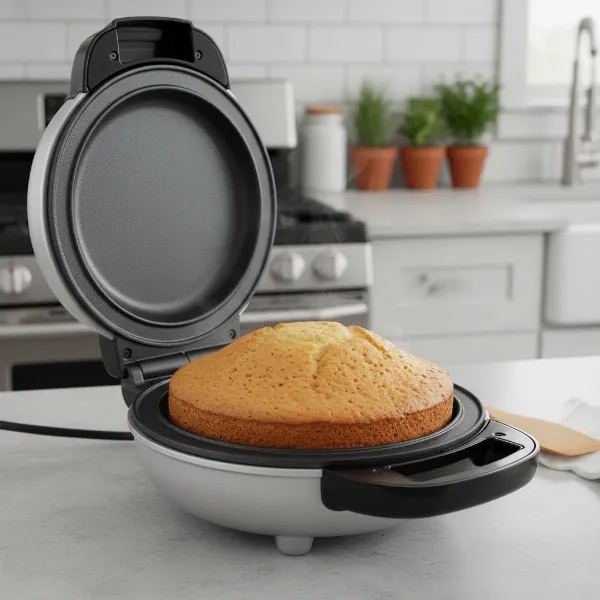 Delicious vegan cake baking inside an electric cake maker, evenly cooked and moist.
Essential Vegan Ingredients for Your Electric Cake Maker
Successful vegan baking in an electric cake maker hinges on understanding and utilizing the right plant-based ingredients. These substitutes perform the crucial functions traditionally handled by eggs and dairy, ensuring proper structure, moisture, and rise.
Replacing Eggs
Eggs are multifaceted in traditional baking, providing structure, leavening, and moisture. For vegan recipes, several excellent alternatives can replicate these roles:
- Flax Eggs: A mixture of ground flaxseed and water creates a gelatinous binder. Use one tablespoon of ground flaxseed mixed with three tablespoons of water, let it sit for 5-10 minutes.
- Chia Eggs: Similar to flax eggs, chia seeds absorb liquid to form a gel.
- Applesauce or Mashed Banana: These add moisture and natural sweetness, working well in denser cakes. Use about 1/4 cup per egg.
- Commercial Egg Replacers: Many brands offer powdered mixes designed to mimic egg functions, often ideal for specific recipes.
- Silken Tofu: Adds moisture and a rich texture, suitable for cheesecakes or denser chocolate cakes.
|
Our Picks for the Best Cake maker in 2026
As an Amazon Associate I earn from qualifying purchases.
|
||
| Num | Product | Action |
|---|---|---|
| 1 | Kitchen in the box Stand Mixer,3.2Qt Small Electric Food Mixer,6 Speeds Portable Lightweight Kitchen Mixer for Daily Use with Egg Whisk,Dough Hook,Flat Beater (Purplish-red) |

|
| 2 | Suuker Cake Cutter, Stainless Steel Cake Knife and Server with Double Handle, Adjustable Cake Slicer for Cake Server, Pie Server, Cake Cutting Set for Wedding |
|
| 3 | Joydeem Electric Dough Maker with Ferment Function, Microcomputer Timing, Face-up Touch Panel, 7.4Qt, 304 Stainless Steel, JD-HMJ7L |
|
| 4 | Kitchen in the box Stand Mixer,3.2Qt Small Electric Food Mixer,6 Speeds Portable Lightweight Kitchen Mixer for Daily Use with Egg Whisk,Dough Hook,Flat Beater (Black) |
|
| 5 | Mini Cake Maker, Portable Mini Bundt Cake Maker Double-Sided Heating, electric cupcake makers for Breakfast, Cake, Snacks (Red) |
|
| 6 | Cake Maker Lava Cake Maker Mini Donut Maker Waffle Maker Pancakes Maker Machine for Breakfast, Snacks, Desserts Non-stick Surface, Cake Machine, Double-sided Heating, Azure |
|
| 7 | Stand Mixer, Kitchen in the box 3.2Qt Small Electric Food Mixer,6 Speeds Portable Lightweight Kitchen Mixer for Daily Use with Egg Whisk,Dough Hook,Flat Beater (Purple) |
|
| 8 | Kitchen in the box Stand Mixer,3.2Qt Mini Electric Food Mixer,6 Speeds Portable Lightweight Kitchen Mixer for Daily Use with Egg Whisk,Dough Hook,Flat Beater (Green) |
|
| 9 | Kitchen in the box Stand Mixer,3.2Qt Small Electric Food Mixer,6 Speeds Portable Lightweight Kitchen Mixer for Daily Use with Egg Whisk,Dough Hook,Flat Beater (Blue) |
|
| 10 | Holstein Housewares Non-Stick 6-Count Electric Cupcake Maker Machine – Bakes 6 Cupcakes, Muffins, Pizza Cups, Cinnamon Buns – Perfect for Gifts, Birthdays, Holidays, or Bake Sales, Lavender |
|
Dairy-Free Milks
Plant-based milks are foundational in vegan baking. The key is to choose unsweetened, unflavored varieties to avoid altering the cake’s taste.
- Almond Milk: A popular choice for its neutral flavor and light consistency.
- Soy Milk: Offers a slightly richer texture and can be curdled with vinegar to create vegan “buttermilk.”
- Oat Milk: Becoming increasingly popular for its creamy texture and mild taste.
- Coconut Milk (canned, full-fat): Excellent for adding richness and density, especially in decadent or tropical-themed cakes, but use sparingly or as directed.
To create vegan buttermilk, simply combine one cup of unsweetened plant milk with one tablespoon of apple cider vinegar or lemon juice and let it sit for 5-10 minutes until it slightly curdles.
Vegan Fats
Fats contribute to moisture, tenderness, and flavor in cakes.
- Vegetable Oils: Neutral-flavored oils like canola, sunflower, or grapeseed are excellent for moisture without imparting strong flavors.
- Vegan Butter/Margarine: These solid fats are perfect for creating rich, buttery textures and can be creamed with sugar just like dairy butter.
- Coconut Oil: Can be used in liquid or solid form, depending on the desired texture and flavor.
Leavening Agents
Proper leavening is vital for a light and airy vegan cake.
- Baking Soda and Baking Powder: These are common leavening agents. Baking soda requires an acid (like vinegar, lemon juice, or buttermilk) to activate, producing carbon dioxide that helps the cake rise. Baking powder contains both an acid and a base and only needs liquid to activate. Many vegan recipes use a combination of both for optimal lift.
Top Vegan Cake Recipes Perfect for Electric Cake Makers
Electric cake makers excel at consistently baking a variety of vegan cakes. These recipes are particularly well-suited for the controlled environment these appliances offer.
Classic Vegan Vanilla Cake
A timeless favorite, a simple vegan vanilla cake is an excellent starting point for any electric cake maker. The consistent heat ensures a beautifully even rise and a tender crumb. Look for recipes that use a combination of plant milk (like soy milk, curdled with a touch of apple cider vinegar for vegan buttermilk) and neutral oil for optimal moisture and flavor. This foundational recipe can be easily adapted with various frostings and sprinkles.
Rich Vegan Chocolate Cake
A decadent chocolate cake is a must-have in any baker’s repertoire. Electric cake makers help maintain the delicate balance of moisture required for a truly rich vegan chocolate cake, preventing it from drying out. Recipes often feature cocoa powder, a plant-based milk, and a binding agent like flax eggs or applesauce. The enclosed baking environment helps to develop a deep chocolate flavor and a wonderfully fudgy texture.
Wholesome Vegan Apple & Cinnamon Cake
For electric bread makers equipped with a cake setting, a vegan apple and cinnamon cake is a fantastic choice. These machines often handle the mixing and baking, producing a dense, moist, and flavorful loaf-style cake. The natural moisture from the apples combines beautifully with warming cinnamon and a hearty vegan batter, often using olive oil or a vegan spread. This kind of cake is perfect for breakfast or a comforting afternoon treat.
Easy Vegan Mug Cakes/Mini Cakes
For smaller electric cake makers, or even compact versions of bread machines, vegan mug cakes or mini cakes are incredibly convenient. These single-serving treats bake quickly, satisfying a sweet craving without requiring a full batch. Recipes typically involve just a few tablespoons of flour, sugar, cocoa powder (for chocolate), plant milk, and oil, often whisked directly in the mug or a small container before baking.
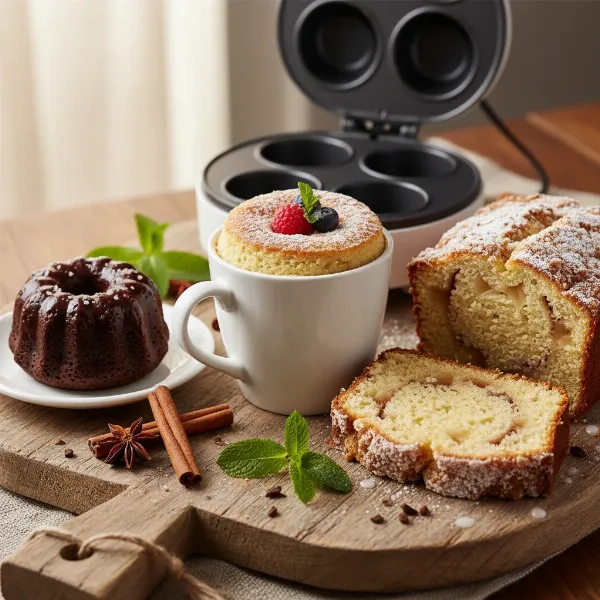 Assortment of delicious vegan cakes, including mug cakes and a loaf cake, made with an electric cake maker.
Expert Tips for Vegan Cake Success in Your Electric Cake Maker
Achieving consistently perfect vegan cakes in your electric cake maker requires attention to a few key details. Leveraging my decade of experience, here are crucial insights to guide you.
Understanding Batter Consistency
Vegan batters can sometimes appear different from traditional ones. They might be slightly thicker or thinner depending on the egg and dairy substitutes used. It’s important not to add extra flour or liquid unless explicitly stated in a trusted vegan recipe. The consistency might be described as “soft serve” for thicker batters or “very thin” for others, like lava cakes. Trust the recipe and the process.
The Importance of Temperature Control
While electric cake makers offer consistent heat, understanding your specific appliance is key. Many models have preset “cake” cycles which are optimized. For those with manual settings, a baking temperature range between 315-330°F (157-165°C) often allows for a nice, slow bake, promoting even rising and preventing over-browning. Monitor your cake, especially if it’s your first time using a new recipe or machine.
Don’t Overfill Your Pan
Regardless of the type of electric cake maker, never overfill the baking pan. A good rule of thumb is to fill the pan about halfway or two-thirds full. This allows ample space for the cake to rise properly during the baking process, accommodating the chemical reactions of the leavening agents. Overfilling can lead to uneven baking, overflowing batter, or a dense, sunken cake.
Mixing Techniques
Overmixing is a common pitfall in all baking, and vegan baking is no exception. Once wet and dry ingredients are combined, mix only until just incorporated. Overmixing can develop gluten too much, resulting in a tough, chewy cake instead of a tender one. Furthermore, if your recipe uses baking soda and an acid, mix the wet and dry ingredients just before you’re ready to start the baking cycle, as the leavening reaction begins immediately.
Ingredient Quality & Temperature
Always opt for high-quality, fresh ingredients. For plant-based milks, choose unsweetened and unflavored varieties. Ensure all wet ingredients, particularly plant milk and vegan yogurt, are at room temperature unless the recipe specifies otherwise. Room temperature ingredients emulsify better, creating a smoother batter and a more consistent cake texture.
Choosing the Right Electric Cake Maker for Vegan Baking
Selecting the ideal electric cake maker is crucial for your vegan baking success. The market offers various options, each with distinct advantages.
Types of Electric Cake Makers
- Bread Machines with Cake Cycles: Many modern bread makers come with a “quick bread” or “cake” setting. These are excellent for simple, loaf-style vegan cakes, handling both mixing and baking. They are particularly good for dense, moist cakes like banana bread or apple loaf cakes.
- Stand Mixers: While not “cake makers” in the baking sense, a powerful stand mixer is an invaluable tool for preparing vegan cake batters with ease. Coupled with an oven, they offer versatility for layered or more complex cakes.
- Dedicated Cake Makers (e.g., Mini Cake Makers, Cupcake Makers): These compact appliances are perfect for individual servings, cupcakes, or small round cakes. They typically bake quickly and are great for quick treats.
Key Features to Look For
When choosing an electric cake maker, consider these features:
- Programmable Settings: Look for specific “cake” or “quick bread” cycles for ease of use.
- Non-Stick Interior: Essential for easy cake release and cleanup, especially with vegan batters that can sometimes be stickier.
- Capacity: Match the size of the machine to your baking needs. A small family might prefer a compact model, while larger households might opt for a bread machine that bakes larger loaves.
- Wattage: Higher wattage often indicates a more powerful machine that can handle thicker batters more efficiently.
Brands and Models
While specific brand recommendations can vary, focus on reputable manufacturers known for durability and good customer support. Read user reviews specifically from vegan bakers to gauge how well a particular model performs with plant-based ingredients. Prioritize functionality and ease of use that aligns with your typical baking habits.
Troubleshooting Common Vegan Cake Issues
Even with the best recipes and equipment, vegan baking can present unique challenges. Here’s how to address common issues when using an electric cake maker.
Dry or Crumbly Cakes
If your vegan cake turns out dry or crumbly, it’s often due to a lack of moisture or fat, or excessive baking time.
- Solution: Reduce baking time slightly. Ensure you’re using enough oil or vegan butter/margarine, and consider adding a touch more plant milk or a moistening ingredient like applesauce or mashed banana in future attempts. Sometimes, a thicker batter can also result in a dry cake, so ensure your liquid-to-dry ratio is correct.
Cakes That Don’t Rise
A flat or dense cake is usually a leavening issue or the result of overmixing.
- Solution: Check the expiration dates of your baking powder and baking soda. Ensure you’re adding enough acidic ingredients (like vinegar or lemon juice) if using baking soda. Avoid overmixing the batter once the wet and dry ingredients are combined, as this can deactivate the leavening agents and overdevelop gluten. Make sure not to open the lid frequently during the baking cycle, as temperature drops can cause a cake to fall.
Gummy Texture
A gummy or overly moist texture can indicate too much moisture, underbaking, or an incorrect ratio of binding agents.
- Solution: Try baking for a few extra minutes in future attempts, ensuring a skewer inserted into the center comes out clean. Reduce the liquid content slightly or increase the flour by a small amount. If you’re using a lot of fruit or purees, these can add significant moisture, so adjust accordingly.
Caring for Your Electric Cake Maker
Proper care and maintenance will ensure your electric cake maker remains a reliable partner in your vegan baking adventures for years to come.
After each use, allow the pan and any removable parts to cool completely. Most non-stick pans can be easily cleaned with warm, soapy water and a soft sponge. Avoid abrasive scrubbers or harsh detergents, which can damage the non-stick coating. For tougher, baked-on bits, a gentle soak can help loosen them. Wipe down the exterior of the machine with a damp cloth, ensuring no crumbs or batter spills are left behind. Always ensure all components are thoroughly dry before reassembling or storing to prevent rust or mildew. Storing your cake maker in a cool, dry place will also help preserve its longevity.
Beyond Basic Cakes: Creative Vegan Desserts
Your electric cake maker is not limited to just basic round or loaf cakes. With a bit of creativity, you can explore a world of vegan dessert possibilities.
- Cupcakes: Many smaller electric cake makers are designed for cupcakes, allowing for individual portions perfect for parties or lunchboxes.
- Muffins: Savory or sweet vegan muffins can be baked with ease, offering a quick breakfast or snack option.
- Brownies: Achieve fudgy vegan brownies with a perfectly crisp top by adapting recipes for your machine.
- Cheesecakes: Some electric cake makers might be suitable for baking individual vegan cheesecakes, providing a creamy, rich treat.
Experiment with different flavor profiles, from zesty lemon to rich coffee. Don’t forget the fun of decorating! Vegan frostings made with powdered sugar and vegan butter, fresh fruits, chopped nuts, or plant-based chocolate chips can transform a simple cake into a showstopper. Unleash your inner pastry chef and discover how versatile your electric cake maker truly is.
Conclusion
Embracing an electric cake maker for your vegan baking is a step towards effortless and consistent deliciousness. By understanding the unique properties of plant-based ingredients and following these expert tips, you can overcome common challenges and create an array of moist, flavorful vegan cakes with ease. From classic vanilla to wholesome apple cinnamon, the possibilities are endless. So, preheat your electric cake maker, gather your ingredients, and get ready to bake some truly exceptional vegan treats. What delightful vegan creation will you bake first?
Frequently Asked Questions
Can I use any vegan recipe in an electric cake maker?
While many vegan recipes can be adapted, it’s best to start with recipes specifically designed for electric cake makers or quick breads if using a bread machine. Recipes intended for traditional ovens might need adjustments, particularly in liquid content and baking time, due to the different heating elements and enclosed environment of an electric cake maker.
How do I know if my electric cake maker is suitable for vegan cakes?
Most electric cake makers with a “cake” or “quick bread” setting can handle vegan batters. If your machine is primarily a bread maker, ensure it has a specific cycle for non-yeasted doughs or cakes. Look for models that offer consistent temperature control and a non-stick pan for best results.
What are the best egg substitutes for electric cake makers?
For binding and moisture, flax eggs (ground flaxseed mixed with water) and chia eggs are excellent. Applesauce or mashed banana can also work well for moisture and sweetness, especially in fruit-based vegan cakes. Commercial egg replacers are also reliable options, often providing a good rise.
Why did my vegan cake turn out dense/dry in the electric cake maker?
A dense or dry vegan cake in an electric cake maker often points to overmixing the batter, too little moisture or fat in the recipe, or overbaking. Ensure you mix only until ingredients are just combined, check your liquid-to-dry ratios, and monitor the cake for doneness to prevent overbaking.
How to adjust baking time for vegan cakes in an electric cake maker?
Baking times can vary based on your specific electric Cake Maker and the recipe’s density. Start by following the recipe’s suggested time, or your machine’s general cake cycle duration. Always perform a toothpick test towards the end of the cycle; if it comes out clean, the cake is ready. For thicker batters, you might need a few extra minutes.